Introduction to AI AGENT for everyone
An Introduction to AI Agent
Recently a friend, who I would describe as non-tech worker, asked me “what is an AI Agent?” I realized the recent AI development and the growing popularity of AI technology isn’t familiar to all, especially many outside my work circle. Some have been hearing that AI agents is coming to do our jobs for us. But how?
In case you are curious and you have not yet adopted any AI Agent tools, or in an environment that encourages the adoption. I want to use this to share the learnings, resources, and interesting softwares that I have been seeing. My goal is to provide lots of interactive diagrams, examples, and you don’t need to be technical to understand any of this.
Chapter 1What is AI Agent?
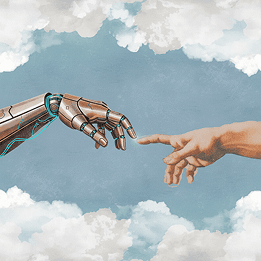
There are many definitions of AI agents float around. From a end-user’s perspective, I’d like to think Agents as virtual employees or AI co-workers. These “co-workers” have memories, maintains context about our work knowledge, play specific roles, and can use tools and softwares to accomplish part of our jobs.
More than a chatbot that makes generic suggestions, they can tackles real work because they understands your work, and can take actions when given access to your tools. For example, you can tell an agent to “summarize customer feedback from Slack, Notion, and email into actionable insights” [1].
A great AI agent understands your work, is built for collaboration, and can take actions. Just like a helpful co-worker.